

National Pollution Control Day – 2nd December
Honouring Lives Lost & Strengthening India’s Commitment to a Cleaner Future
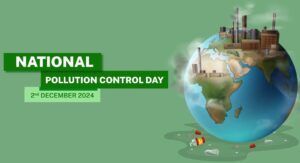 Every year on 2nd December, India observes National Pollution Control Day to create awareness about the harmful effects of pollution and to commemorate the thousands of people who lost their lives in the Bhopal Gas Tragedy of 1984, one of the world’s worst industrial disasters. The day serves both as a solemn reminder and a call to action for stronger environmental protection, improved industrial safety, and responsible public behaviour.
Why 2nd December? – Remembering the Bhopal Gas Tragedy
On the night of 2–3 December 1984, a toxic cloud of methyl isocyanate (MIC) gas leaked from the Union Carbide pesticide plant in Bhopal.
- Over 3,000 people died immediately.
- Long-term effects impacted over 5 lakh people, leaving generations with severe health complications.
- The tragedy exposed serious gaps in industrial safety and environmental regulation.
National Pollution Control Day pays tribute to the victims and reinforces the importance of preventing such disasters in the future.
Objectives of National Pollution Control Day
- Raise awareness about different types of pollution—air, water, soil, noise, and chemical.
- Promote industrial safety and strengthen monitoring mechanisms.
- Educate citizens on pollution prevention and sustainable living.
- Encourage government agencies, industries, and NGOs to work towards long-term environmental protection.
- Highlight the role of Pollution Control Boards in maintaining ecological balance.
Types of Pollution & Their Impact
- Air Pollution
- Caused by vehicle emissions, industrial smoke, burning waste, and dust.
- Leads to lung diseases, heart issues, and reduced visibility.
- Major Indian cities often record unhealthy AQI levels in winter.
- Water Pollution
- Contaminated rivers, lakes, and groundwater due to sewage, chemicals, and plastic waste.
- Causes waterborne diseases and harms aquatic life.
- Soil Pollution
- Excessive chemical fertilizers, pesticides, and industrial waste degrade soil quality.
- Affects food safety and agriculture.
- Noise Pollution
- Traffic, construction, loudspeakers, and industrial machinery.
- Causes stress, hypertension, and hearing loss.
- Industrial Pollution
- Hazardous chemicals, untreated effluents, and unsafe manufacturing processes.
- Can lead to disasters like Bhopal if not properly regulated.
Role of Government & Pollution Control Boards
India has strengthened its regulatory framework through:
- Central and State Pollution Control Boards (CPCB/SPCBs)
- Environment Protection Act (1986)
- Air and Water Pollution Acts
- Hazardous Waste Management Rules
- E-waste and Plastic Waste Management Rules
These bodies monitor pollution levels, enforce compliance, and promote safer industrial practices.
How Citizens Can Contribute
Simple steps towards a cleaner environment:
- Use public transport, carpool, or switch to electric vehicles.
- Plant trees and support green initiatives.
- Avoid burning waste; segregate garbage at source.
- Conserve water and reduce plastic use.
- Report industrial violations or pollution incidents.
Small, consistent actions from individuals collectively create significant impact.
Conclusion
National Pollution Control Day is more than a memorial; it is a reminder of our shared responsibility to protect the environment.**
As India continues to grow industrially and economically, it becomes even more important to adopt sustainable practices, enforce stronger regulations, and promote environmental awareness across all sections of society.
By remembering the lessons of the past and taking conscious steps today, we can build a healthier, safer, and cleaner future for generations to come.